About
About
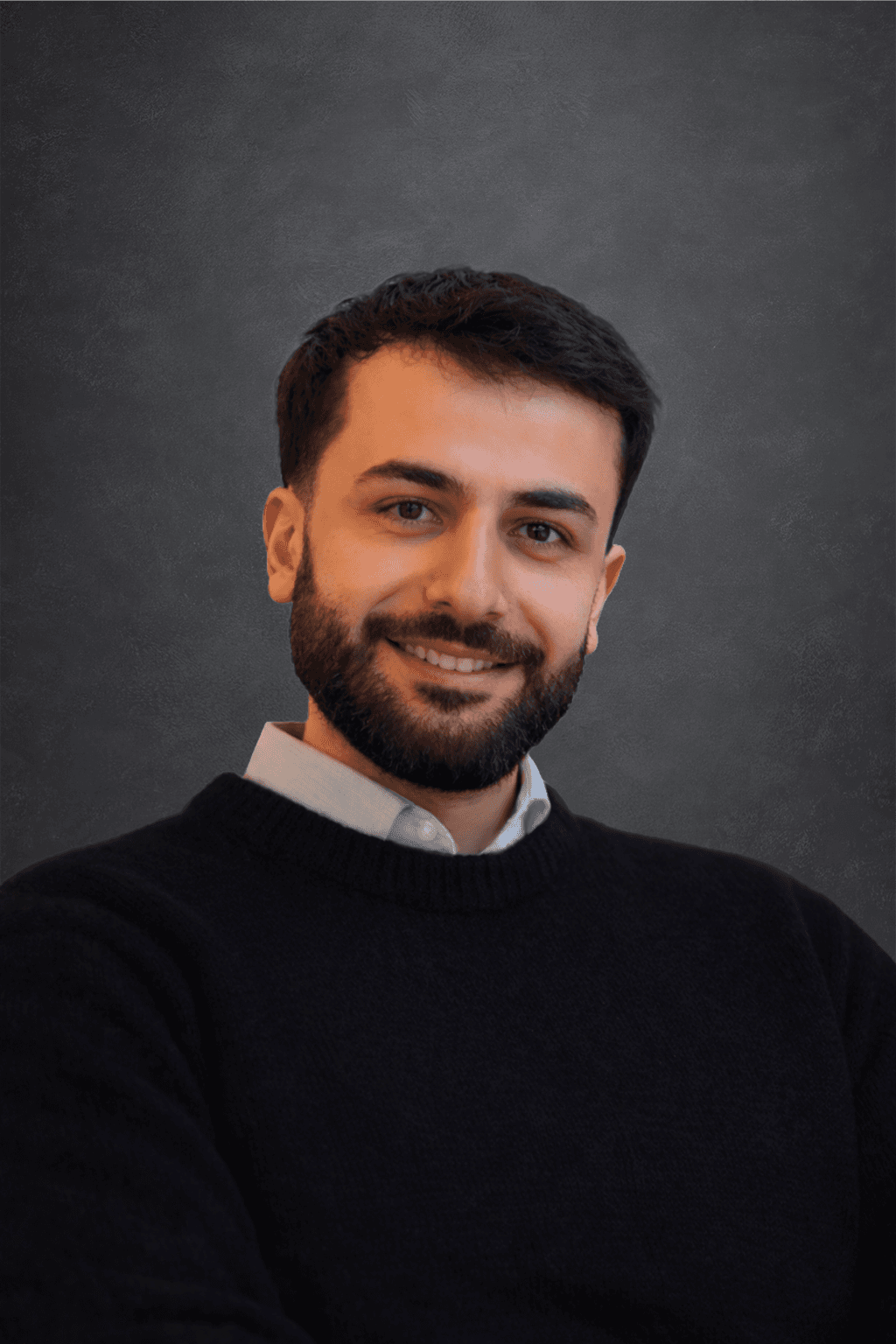
I'm a product developer and furniture design student.
I start every project by asking who I'm designing for, understanding how humans actually move, what frustrates them, what brings them ease. That comes from working as a therapist and in workshops, where precision and empathy naturally go together. I'm obsessed with removing friction. If someone needs three steps to do something, I ask if one or two will do instead. I use materials intelligently like letting bioplastic flex naturally instead of requiring adjustment knobs. I work across SolidWorks, toleranced drawings, and physical prototypes because ideas only matter when they function in someone's hands. I've just finished a kitchenware series in bioplastic, defining durability around real use: load, hygiene, thermal performance. My background in automotive and service work taught me that manufacturing constraints aren't obstacles, they're part of the thinking from day one. What drives me is taking things from chaos into harmony. Removing unnecessary complexity so people can just use something without thinking about it.
How it started:
When I was a kid, I couldn't throw anything away without understanding how it worked first. A broken vacuum cleaner, old electronics, anything - I'd take it apart on the balcony for hours, completely absorbed. My mum would have to force me to eat and drink. As soon as I was done, I'd run straight back to it. That obsessive curiosity never left me. It's still exactly the same now. Always trying to understand how things fit together and function - just with better tools and clearer purpose.
I'm a product developer and furniture design student.
I start every project by asking who I'm designing for, understanding how humans actually move, what frustrates them, what brings them ease. That comes from working as a therapist and in workshops, where precision and empathy naturally go together. I'm obsessed with removing friction. If someone needs three steps to do something, I ask if one or two will do instead. I use materials intelligently like letting bioplastic flex naturally instead of requiring adjustment knobs. I work across SolidWorks, toleranced drawings, and physical prototypes because ideas only matter when they function in someone's hands. I've just finished a kitchenware series in bioplastic, defining durability around real use: load, hygiene, thermal performance. My background in automotive and service work taught me that manufacturing constraints aren't obstacles, they're part of the thinking from day one. What drives me is taking things from chaos into harmony. Removing unnecessary complexity so people can just use something without thinking about it.
How it started:
When I was a kid, I couldn't throw anything away without understanding how it worked first. A broken vacuum cleaner, old electronics, anything - I'd take it apart on the balcony for hours, completely absorbed. My mum would have to force me to eat and drink. As soon as I was done, I'd run straight back to it. That obsessive curiosity never left me. It's still exactly the same now. Always trying to understand how things fit together and function - just with better tools and clearer purpose.