Formula
Formula
1 Week
1 Week
Surface traning
Surface traning
Surface Modeling
Surface Modeling
Parametric Design
Parametric Design
Digital Prototyping
Digital Prototyping
Material Contrast
Material Contrast
PROJECT OVERVIEW
PROJECT OVERVIEW
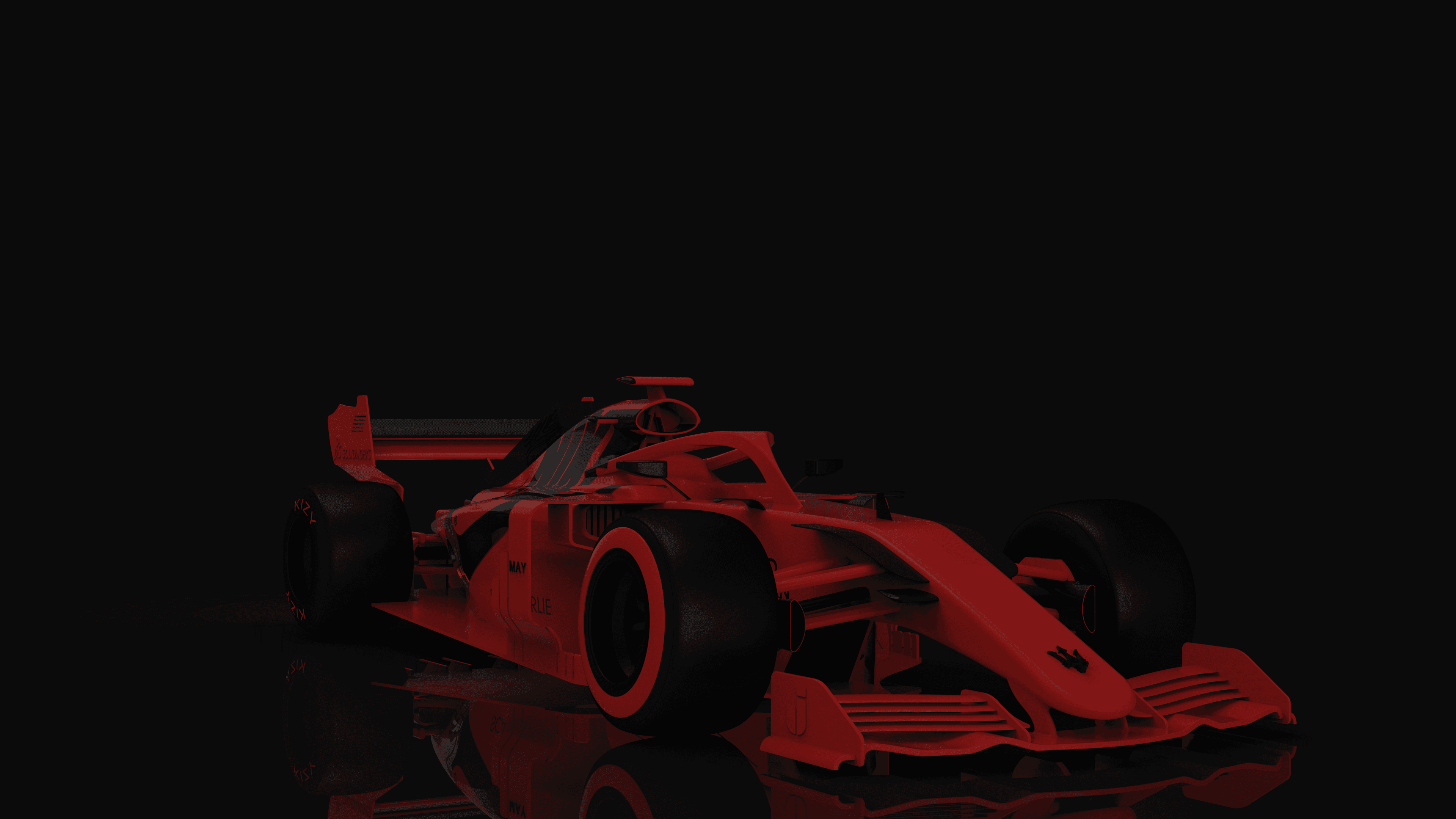
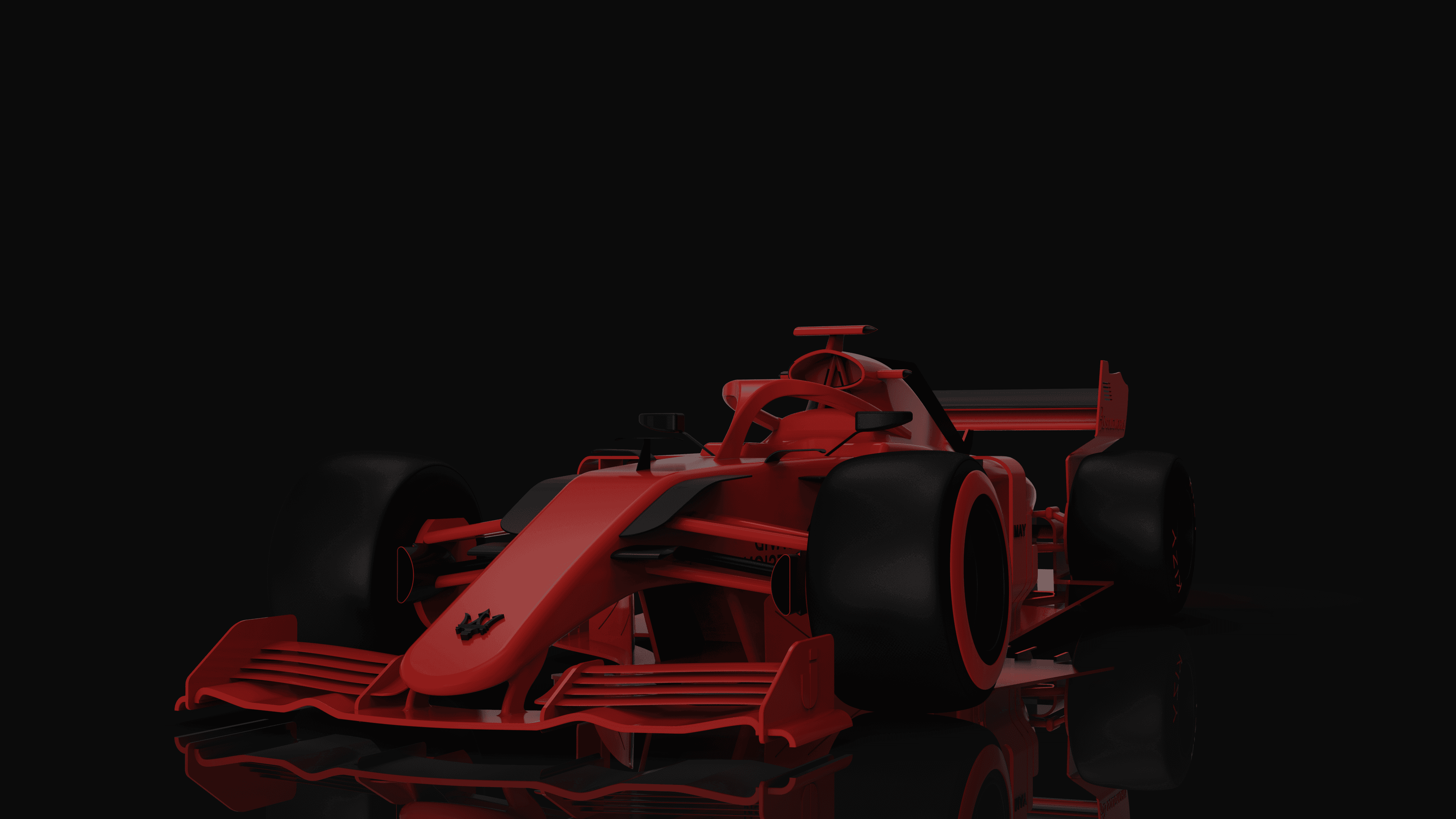
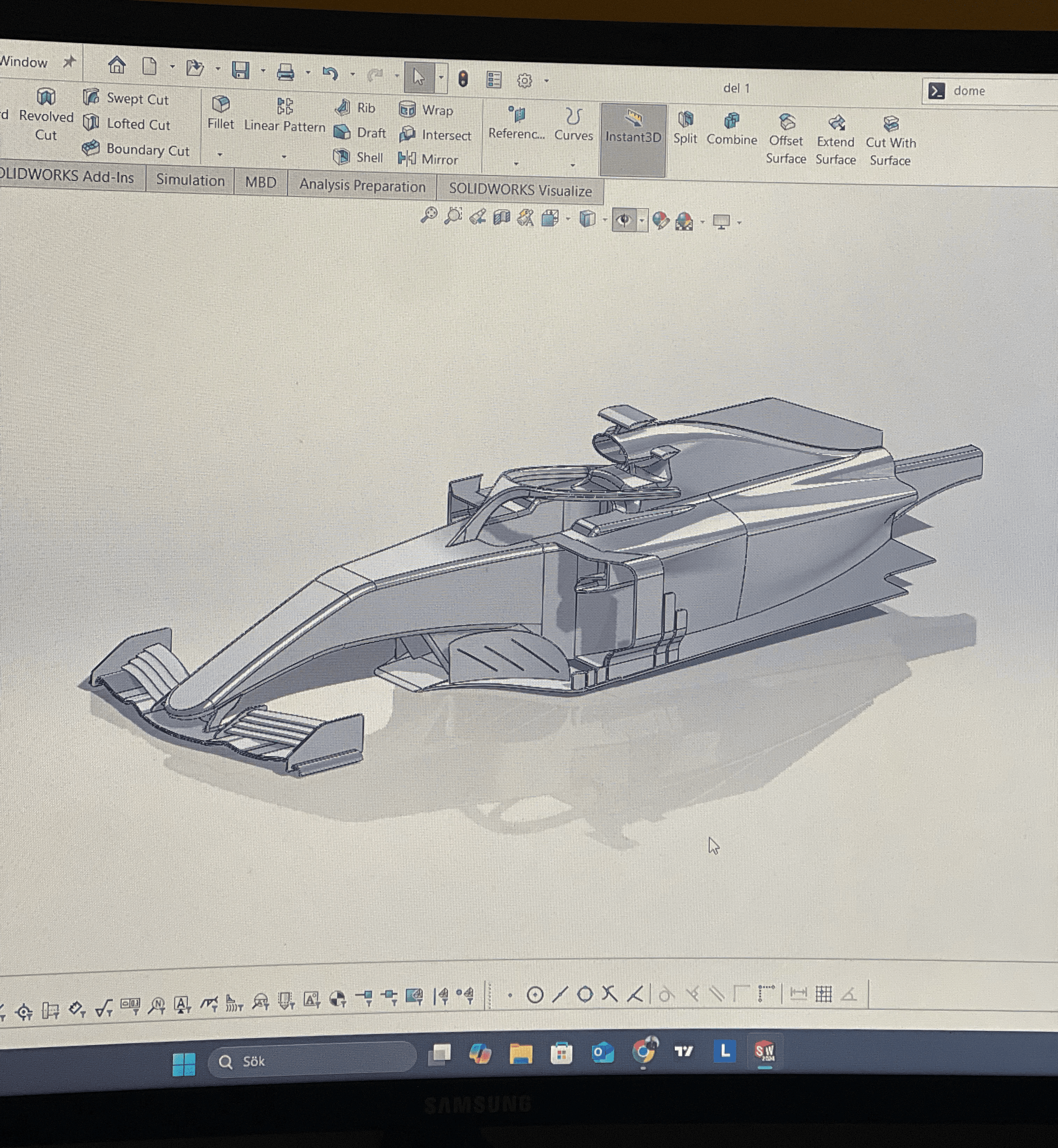
This self-initiated CAD study focused on advanced surface modeling and geometric precision. Over 40–50 hours, a Formula-style vehicle was modeled in SolidWorks to strengthen control over complex curvature, symmetry, and multi-surface transitions. The objective was to improve surface discipline and workflow efficiency within a parametric CAD environment.
This self-initiated CAD study focused on advanced surface modeling and geometric precision. Over 40–50 hours, a Formula-style vehicle was modeled in SolidWorks to strengthen control over complex curvature, symmetry, and multi-surface transitions. The objective was to improve surface discipline and workflow efficiency within a parametric CAD environment.
The Challenge
The Challenge
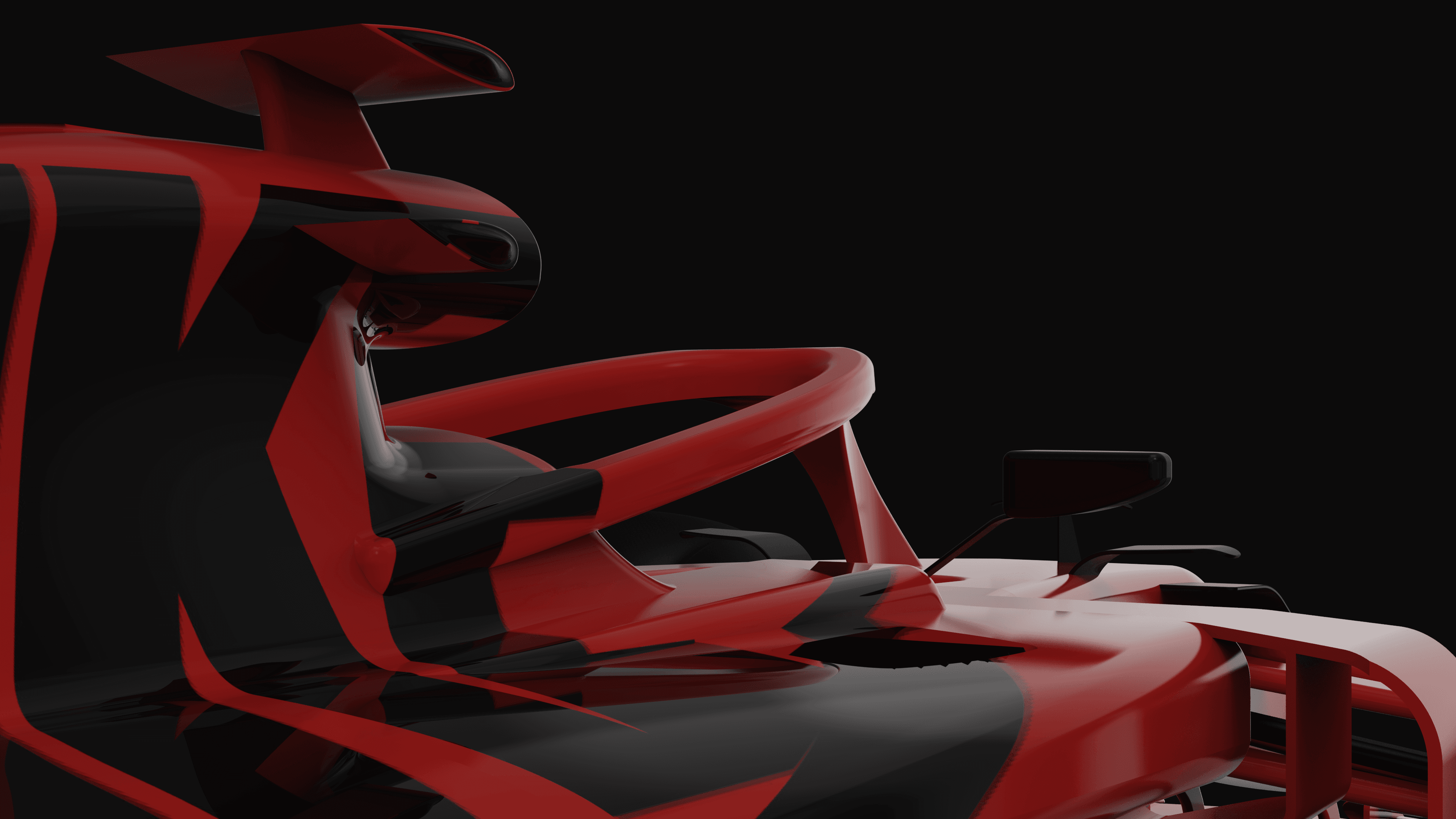
The primary challenge was managing complex compound surfaces while maintaining geometric continuity and clean reflections. Precise spline and boundary control was required to avoid surface breaks. Maintaining symmetry while refining aerodynamic elements demanded iterative rebuild management and a careful balance between parametric control and surface flexibility.
The primary challenge was managing complex compound surfaces while maintaining geometric continuity and clean reflections. Precise spline and boundary control was required to avoid surface breaks. Maintaining symmetry while refining aerodynamic elements demanded iterative rebuild management and a careful balance between parametric control and surface flexibility.
Process
Process
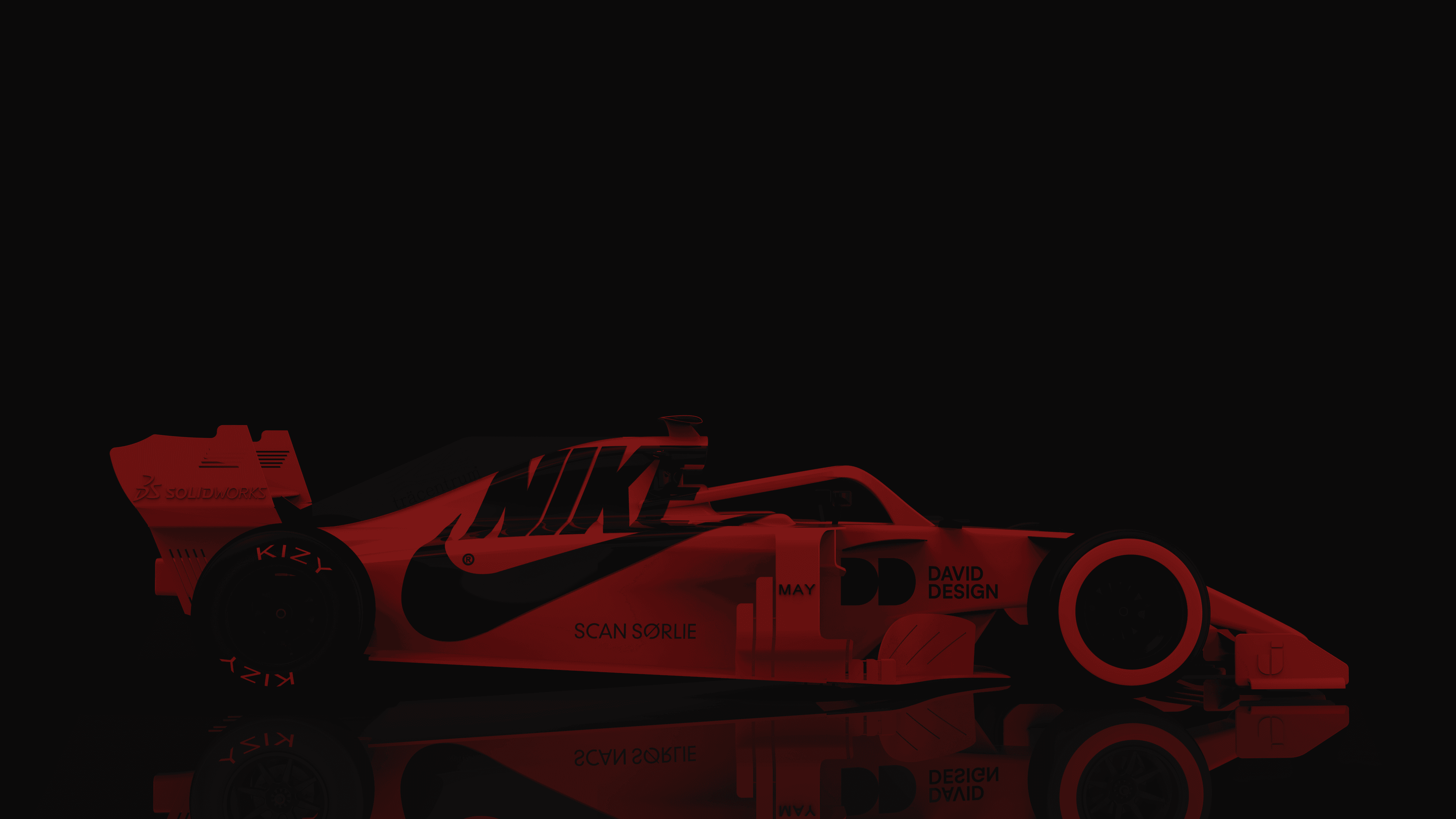
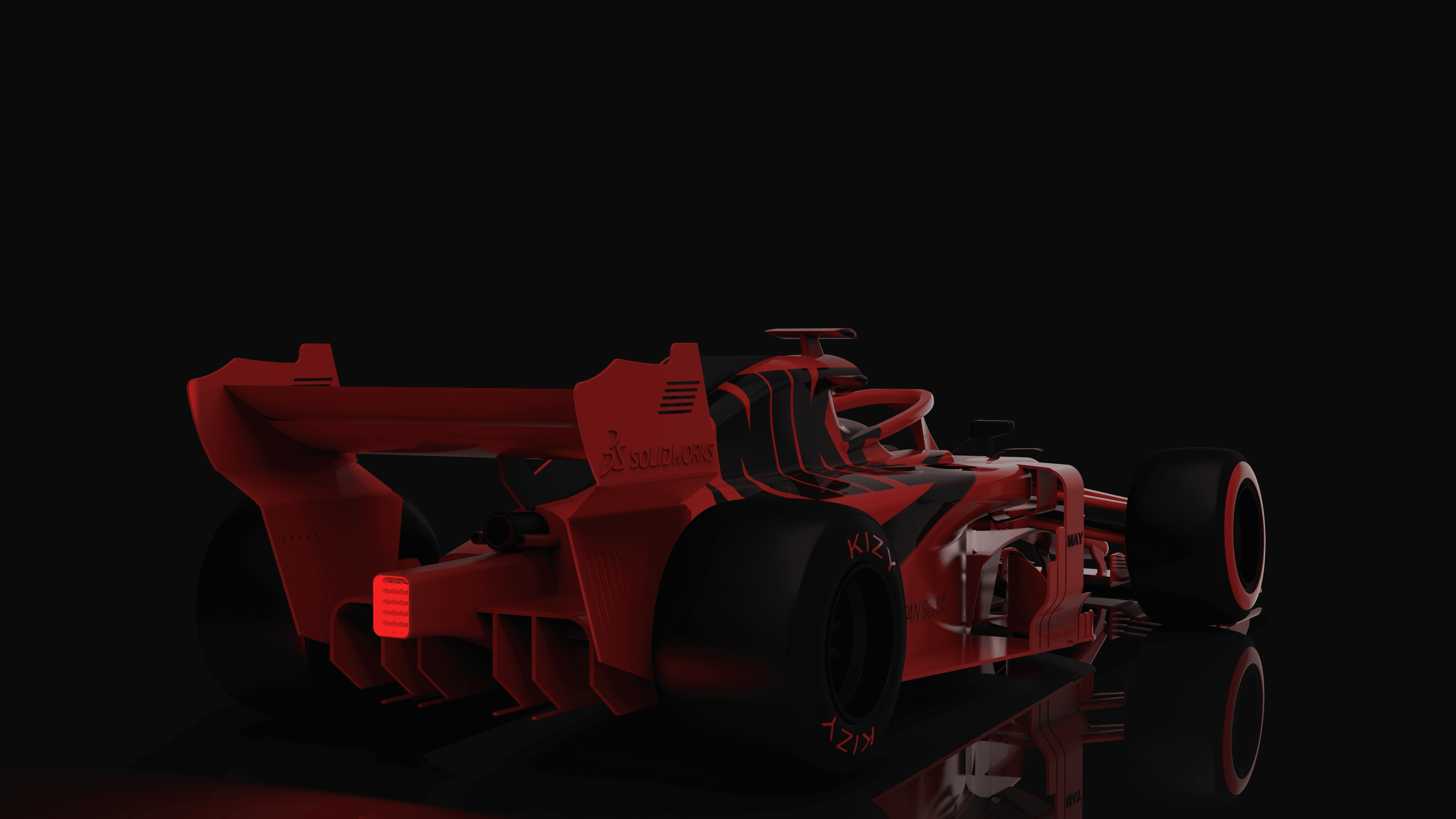
I developed the complete exterior geometry in SolidWorks using advanced surface modeling techniques. Surface continuity was controlled through spline management, boundary surfaces, and curvature analysis. The model was iteratively refined to improve topology cleanliness and reduce feature complexity. Final renders were produced in KeyShot and used as a diagnostic tool to evaluate reflections and surface flow.
I developed the complete exterior geometry in SolidWorks using advanced surface modeling techniques. Surface continuity was controlled through spline management, boundary surfaces, and curvature analysis. The model was iteratively refined to improve topology cleanliness and reduce feature complexity. Final renders were produced in KeyShot and used as a diagnostic tool to evaluate reflections and surface flow.
Reflection
This study strengthened my ability to manage advanced surface geometry and highlighted the sensitivity of reflective surfaces to minor curvature inconsistencies. It reinforced discipline in spline control, rebuild logic, and early reference planning.
The project improved both speed and precision in handling visually critical surfaces within a parametric CAD workflow.
Reflection
This study strengthened my ability to manage advanced surface geometry and highlighted the sensitivity of reflective surfaces to minor curvature inconsistencies. It reinforced discipline in spline control, rebuild logic, and early reference planning.
The project improved both speed and precision in handling visually critical surfaces within a parametric CAD workflow.
B
B